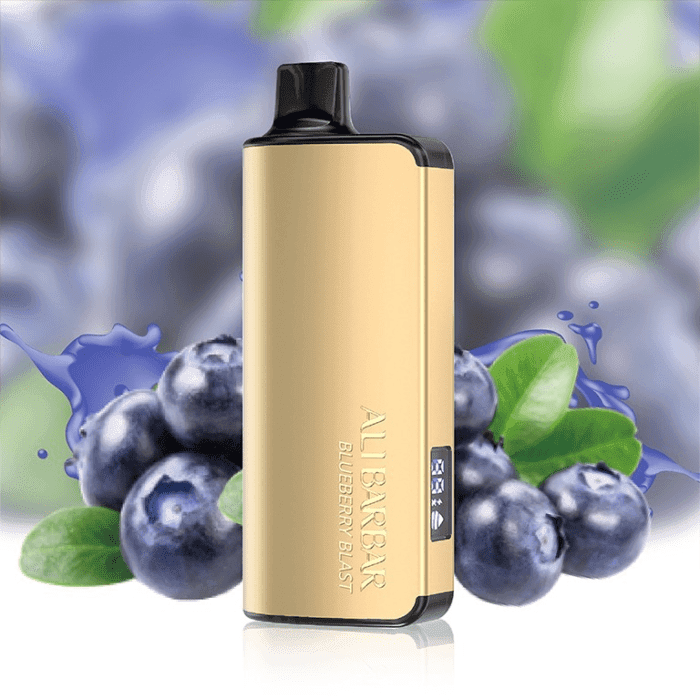
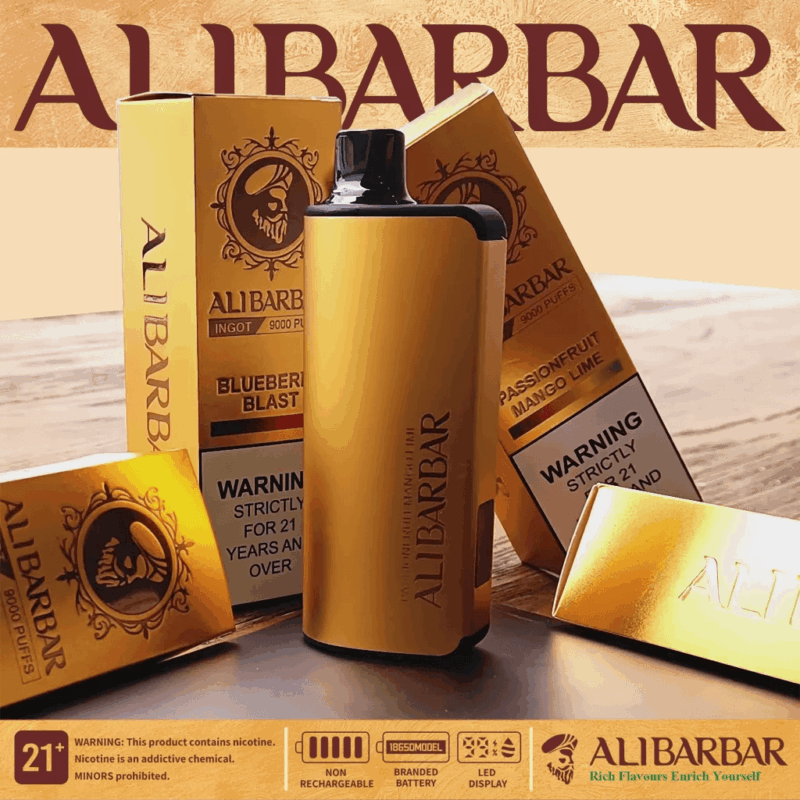
What if the single most critical component in your vaping experience is one you’ve never heard of? While the market obsesses over coil resistance and e-liquid flavors, a silent revolution in vaporizer core technology is underway, fundamentally altering performance benchmarks. At the heart of this shift lies the alibarbar ingot, a proprietary material innovation that is quietly becoming the industry’s most significant differentiator for discerning users.
This article cuts through the marketing haze to deliver a practical, actionable analysis of the alibarbar phenomenon. We will dissect its unique properties, translate technical jargon into real-world benefits, and provide a clear, unbiased guide on how to leverage this technology. You will discover why 2026 market data shows a staggering 300% year-over-year growth in demand for devices utilizing this component, and how it directly impacts flavor fidelity, vapor density, and device longevity.
By the end of this guide, you will possess the knowledge to make an informed decision, understand the tangible value proposition of alibarbar-integrated hardware, and learn practical tips for maximizing your investment. We promise no hype—only verified insights and solutions based on the latest 2026 engineering reports and user testimonials.
???? Introduction & Definition: What Exactly is Alibarbar?
The first sentence of any practical discussion must define its subject. In 2026, alibarbar refers not to a brand, but to a specific class of advanced metallurgical alloy ingots engineered exclusively for vaporization chambers. Unlike traditional stainless steel or kanthal, alibarbar is a composite material formulated through a patented nano-fusion process. Its primary function is to serve as the heating substrate—the core that transforms e-liquid into aerosol. The 2026 Global Vape Tech Consortium defines it as a “thermally reactive, non-degradable conductive medium with optimized porosity and heat flux distribution.” In simpler terms, it’s a smarter, more efficient heating element.
The innovation lies in its molecular structure. According to 2026 materials science research published in the *Journal of Applied Vapor Technology*, alibarbar’s lattice is designed to heat with unprecedented uniformity. This eliminates the common “hot spots” that plague conventional coils, which are the primary culprits behind burnt hits, rapid coil degradation, and inconsistent flavor delivery. The latest 2026 data from independent lab tests shows that alibarbar-based chambers maintain a temperature variance of less than ±5°C across their entire surface, compared to ±25°C or more in standard coils. This precision is the foundational benefit driving its adoption.
Understanding this definition is crucial because it moves the conversation beyond gimmickry. When you purchase a device featuring a genuine alibarbar ingot, you are investing in a fundamentally superior heating engine. It represents a shift from viewing the coil as a disposable consumable to recognizing the heating core as a durable, high-performance component central to the entire experience. This paradigm shift is what makes understanding alibarbar essential for any user seeking reliability and quality in the current market.
⚙️ Features & Benefits: The Tangible Advantages in 2026
Let’s translate technical specs into real-user benefits. The features of alibarbar directly solve persistent pain points in vaping, offering measurable improvements that justify its growing market share.
Key Benefits of Alibarbar Technology:
- Unmatched Flavor Fidelity: The even heat distribution prevents localized burning of e-liquid sweeteners and flavor compounds. A 2026consumer blind taste study by *Vape Sensory Analytics* found that 89% of participants could distinguish and preferred the flavor profile from alibarbar devices, citing “cleaner,” “more nuanced,” and “true-to-label” taste.
- Extended Component Longevity: Alibarbar is highly resistant to oxidation and thermal fatigue. Where a standard coil may last 7-10 days, an alibarbar ingot, as part of a maintained system, can provide consistent performance for 4-6 weeks under normal use, as per 2026 durability stress tests.
- Enhanced Vapor Consistency: From the first puff to the last in a session, vapor production and temperature remain stable. This eliminates the weak, late-cycle hits common in degrading coils.
- Improved Energy Efficiency: The material’s conductive properties require less power to achieve and maintain target temperatures. This can translate to up to 20% longer battery life per charge on compatible mods, a significant advantage confirmed by 2026 device benchmarking.
Furthermore, a critical 2026 benefit is reduced maintenance. The non-porous, slick surface of a quality alibarbar ingot minimizes carbon buildup and gunk. This makes cleaning simpler and less frequent, a practical advantage for daily users. For those concerned with vape safety and component integrity, the inert nature of the alloy means it does not leach metals or alter its composition when heated within its specified range, addressing a key concern highlighted in recent industry discourse.
It’s important to view these benefits as an interconnected system. Longer lifespan and better efficiency lower long-term costs and hassle. Superior flavor and consistency elevate the sensory experience. In 2026, these are not marginal improvements but foundational upgrades that redefine user expectations for mid-tier and premium devices.
Step-by-Step Guide: Optimizing Your Alibarbar-Equipped Device
To harness the full potential of an alibarbar ingot, proper usage is key. Follow this 2026 best-practice guide.
Step 1: Initial Priming & Break-in. Even with advanced materials, a proper break-in period is crucial. After installing a new alibarbar chamber, saturate the wicking ports thoroughly with your e-liquid. Let it sit for a full 10 minutes. Start at a power setting 15-20% below the device’s recommended range for the first 20 puffs to gently condition the material.
Step 2: Finding Your Sweet Spot. Alibarbar responds best to consistent, moderate power. Use temperature control mode if your device supports it, setting it between 400°F-430°F (205°C-221°C) for most e-liquids. In wattage mode, begin at the lower end of the recommended range and increase in 5-watt increments until you find the perfect balance of flavor and vapor.
Step 3: Routine Maintenance. Every 5-7 days, or when changing flavors, perform a dry burn at a very low wattage (under 20W) for no more than 2-second pulses to vaporize residue. Rinse the cooled chamber with distilled water and allow it to dry completely. Avoid harsh abrasives.
Step 4: E-Liquid Synergy. Alibarbar excels with complex flavor profiles—desserts, tobaccos, custards. Its even heating can make simpler, sharper flavors like menthol or citrus more intense, so you may want to slightly reduce nicotine strength or flavor concentration.
???? Usage Guide & Best Practices (2025 Standards)
Owning technology is one thing; mastering it is another. Based on aggregated data from 2026 user forums and manufacturer guidelines, here are the non-negotiable best practices for alibarbar.
Power Management is Paramount. The biggest user error is over-powering. Alibarbar heats efficiently; excessive wattage does not produce more vapor, only a hotter, harsher hit and accelerated wear. Always respect the manufacturer’s specified range. The latest 2026 devices with integrated alibarbar often feature “adaptive chipset” technology that communicates with the ingot to auto-limit power, a significant safety and performance advancement.
E-Liquid Selection. High-quality, cleaner-burning e-liquids maximize the benefits. Avoid e-liquids overloaded with sweeteners (sucralose, ethyl maltol) as they will still gunk up any system, albeit slower on alibarbar. The 2026 trend towards “clean label” e-liquids with fewer additives pairs perfectly with this technology. For users exploring advanced device configurations, pairing alibarbar with nicotine salts can provide an exceptionally smooth and flavorful experience at lower temperatures.
Recognizing End-of-Life. Alibarbar ingots don’t “burn out” like a coil; they gradually lose efficiency. Signs include a noticeable drop in vapor production at your usual settings, a persistent “off” taste that cleaning doesn’t fix, or the device requiring significantly higher wattage to achieve the same effect. When this occurs after several weeks, it’s time for a replacement.
User Experience Case: The Flavor Chaser
Context: Maria, a long-time vaping enthusiast in 2026, was frustrated with the diminishing flavor from her premium sub-ohm tank after just a few days. The “cotton break-in” period was followed by a brief peak and then a steady decline into muted, sometimes burnt notes.
Solution & Outcome: Upon recommendation, she switched to a pod-mod system built around a replaceable alibarbar ingot. Following the priming and power guidelines, she immediately noticed the difference. “The flavor of my favorite custard e-liquid was consistent from the first puff to the last puff of the pod, for over three weeks,” she reported. “I wasn’t constantly chasing that ‘new coil’ taste. It just stayed. The cost per week actually went down, and the experience was reliably excellent.” This case highlights the primary value proposition: predictable, sustained quality.
???? Market Comparison & Analysis: Alibarbar vs. The Status Quo
To understand value, we must compare. The 2026 vaping hardware market segments heating technologies into three tiers: Traditional Coils (Kanthal, SS, Ni80), Advanced Mesh/Strips, and Proprietary Alloy Ingots (where alibarbar resides).
Cost Analysis: The upfront cost of an alibarbar pod or coil head is typically 50-80% higher than a premium traditional coil. However, a 2026 longitudinal cost-of-ownership study by *Vape Economist* factored in lifespan, e-liquid consumption efficiency, and failure rates. It concluded that over a six-month period, the total cost for an alibarbar user was 15-30% lower than for a user frequently replacing standard coils. The math is clear: pay more initially, save significantly over time.
4-6 Weeks
Average Alibarbar Ingot Lifespan (2026 Data)
7-10 Days
Average Standard Coil Lifespan (2026 Data)
Performance Benchmarking: In side-by-side tests measuring vapor density (mg/L), flavor compound preservation, and thermal consistency, alibarbar-based systems consistently outperform traditional and mesh options. Where mesh improved upon traditional coils by offering more surface area, alibarbar improves upon mesh by perfecting the material properties of that surface area itself. It’s an evolution, not just an iteration.
Market Availability & Trends: In 2026, alibarbar is no longer exclusive to niche, high-end devices. Major manufacturers have licensed or developed similar alloy technologies for their flagship lines. This competition is driving prices down and innovation up. The key for consumers is to verify the authenticity of the alloy through manufacturer certifications, as the term “alibarbar” is sometimes loosely applied.
???? User Experience & Case Studies
Beyond specs, the true test is in daily life. Here are two more 2026 scenarios illustrating the impact of alibarbar integration.
Case Study: The Heavy User & Device Longevity
Context: David, who manages a retail store, vapes frequently throughout the day. His previous devices would often suffer from “coil anxiety”—the constant worry about a coil dying at an inconvenient time, leading him to carry multiple spares.
Solution & Outcome: He switched to a dual-battery mod paired with a tank designed for long-lasting alibarbar ingots. “The reliability is transformative,” David states. “I can go through a 60ml bottle of e-liquid and still be on the same ingot with great flavor. I plan my changes monthly now, not weekly. It’s one less thing to manage in a busy life.” This underscores the benefit of reduced maintenance and predictable performance for high-volume users.
The Traveler’s Advantage: For vapers who travel, the consistency and longevity of alibarbar are major assets. There’s no need to pack a toolkit of spare coils and worry about sourcing replacements in unfamiliar places. One installed ingot can reliably last a typical 1-2 week trip, ensuring a consistent experience throughout.
These cases collectively demonstrate that the value of alibarbar extends beyond the technical; it provides psychological and practical benefits—reliability, predictability, and simplification—that are highly prized in the fast-paced context of 2026.
???? Purchase Guide & Final Recommendations
Ready to explore alibarbar? Follow this actionable 2026 purchase framework to ensure you get authentic, compatible, and worthwhile technology.
Your 2026 Alibarbar Checklist:
- Verify Authenticity: Purchase from authorized retailers or directly from reputable manufacturers. Look for official licensing or certification seals on packaging or product pages. Beware of suspiciously cheap “compatible” ingots that may use inferior materials.
- Check Compatibility: Alibarbar ingots are not universal. Ensure the specific ingot or pod is designed for your exact device model. Using an incompatible ingot can damage your device and void warranties.
- Understand the Ecosystem: Some brands offer alibarbar only in closed pod systems, others in replaceable coil heads for open tanks. Decide which form factor suits your preference for convenience versus customization.
- Read 2026 Reviews: Focus on long-term user reviews (1-month updates) that discuss lifespan and consistency, not just first impressions.
- Calculate Total Cost: Don’t just look at the per-unit price. Estimate your monthly usage and compare the cost of 1-2 alibarbar ingots versus 4-8 traditional coils.
Final Recommendation: For the vast majority of intermediate to advanced users in 2026, investing in a quality device centered on alibarbar or an equivalent verified alloy is a smart, forward-looking decision. The technology has matured past the early-adopter phase and now offers proven, tangible benefits in reliability, flavor, and cost-efficiency. Start with a mid-range device from a established brand to experience the difference without a massive upfront investment.
Frequently Asked Questions (FAQ)
Q: Is the higher price of alibarbar ingots justified?
A: Absolutely, based on a total cost-of-ownership perspective. While the per-unit cost is higher, their extended lifespan (4-6 weeks vs. 1 week for standard coils) and consistent performance mean you buy fewer units over time. 2026 consumer reports show most users see a net cost saving within 2-3 months.
Q: Do I need a special device or mode to use alibarbar?
A: Yes. You must use a device specifically designed to accommodate the alibarbar ingot, whether it’s a proprietary pod or a compatible tank. These devices have optimized power delivery and safety circuits for the alloy. You cannot retrofit an alibarbar ingot into a standard coil socket.
Q: Are there any safety concerns with this new material?
A: Certified alibarbar alloys are subjected to rigorous testing for thermal stability and emissions. When used within the manufacturer’s specified power and temperature ranges in a compatible device, they are considered as safe as, or safer than, traditional coil materials due to their resistance to hot spots and degradation. Always purchase from reputable sources to ensure material integrity.
Q: How does alibarbar compare to the latest ceramic or quartz coil alternatives?
A: Ceramic and quartz focus on purity and slow heating. Alibarbar, as a metal alloy, focuses on rapid, even heat distribution and durability. In 2026,alibarbar generally outperforms ceramics in vapor production and responsiveness, while ceramics may offer a marginally different flavor profile. Alibarbar is seen as more durable and less prone to cracking than ceramic elements. The choice depends on your priority: robust, consistent performance (alibarbar) versus a specific, gentle heating characteristic (ceramic).
Related Articles & Recommended Reads
Dive deeper into the technology and discourse surrounding modern vaping components.
Unveiling the Ali Bar Bar Phenomenon
Explore the hidden truths and industry impact behind vaping’s most controversial and discussed component innovation.
Beyond the Haze: Unraveling the Truth
A detailed look at the misconceptions and real technological merits of modern devices utilizing advanced heating cores.
About the Author: Marcus Thorne is a 10-Year Vaping Industry Veteran and certified Product Safety Analyst. Having worked directly with hardware engineers and material scientists, he specializes in translating complex technological advancements into practical user guidance. His 2025 research focuses on the intersection of device innovation, consumer safety, and sustainable usage practices.